Matrix Synchronized Skating Academy
Learn to Skate Programs
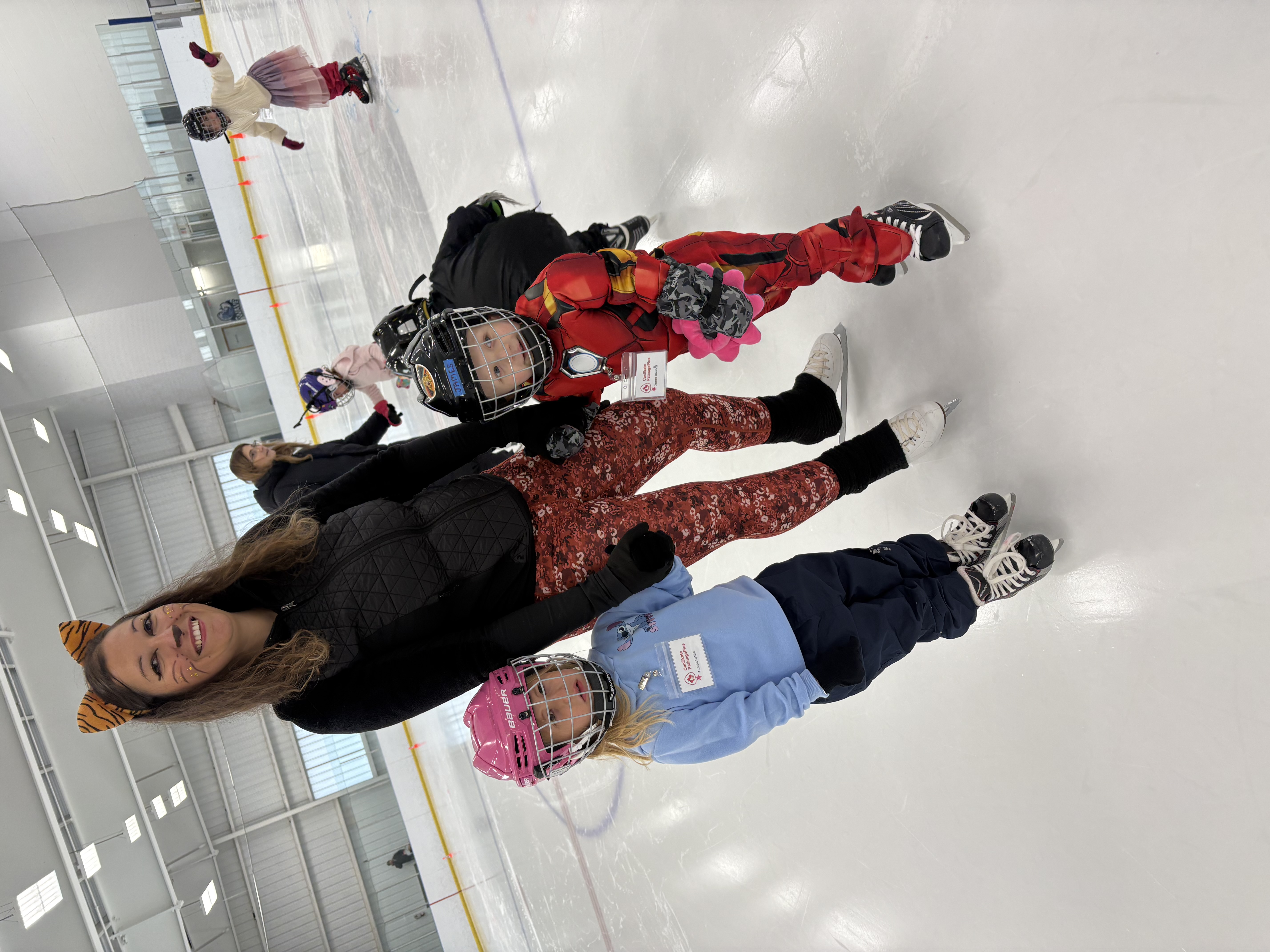 PreCanSkate/ Parent & Tot
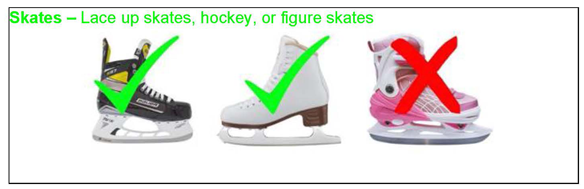
This program is a 45min group lesson designed for children ages 3-5 who have no or very little skating ability. Pre-CanSkate is the starting point where skaters advance to the CanSkate program. Basic skills such as skating forward, backwards, turning, jumping and stopping will be taught in a group. A professional coach for each group will be on the ice during the entire session. Skaters will be grouped according to age and/or ability. Age appropriate toys, other props and visual aids may be used during the lessons. Circuits and trails will be drawn on the ice for skaters to learn and practice their skills.
Assessment will be an ongoing basis rather than having a set assessment day, allowing skaters progress at their own speed. Skaters who master their Pre-CanSkate skills will advance to the CanSkate 1-6 program.
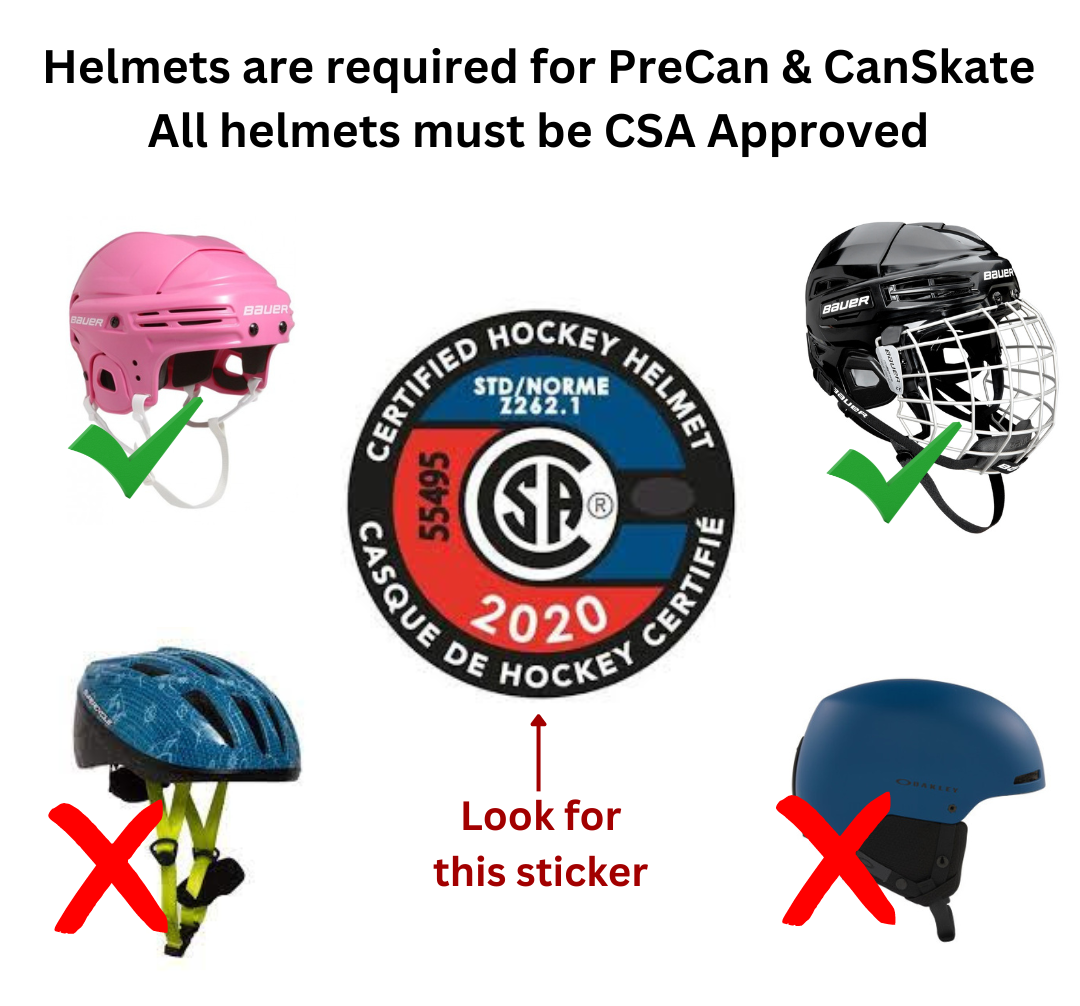
CSA approved hockey helmets with chin strap are mandatory for all skaters.
Face masks (cages) are mandatory for the 3 & 4 years old skaters and are highly recommended for the 5 years old skaters and skaters who wear glasses.
Parents of skaters 10 years and under MUST remain on the premises during their child’s entire session.
CanSkate
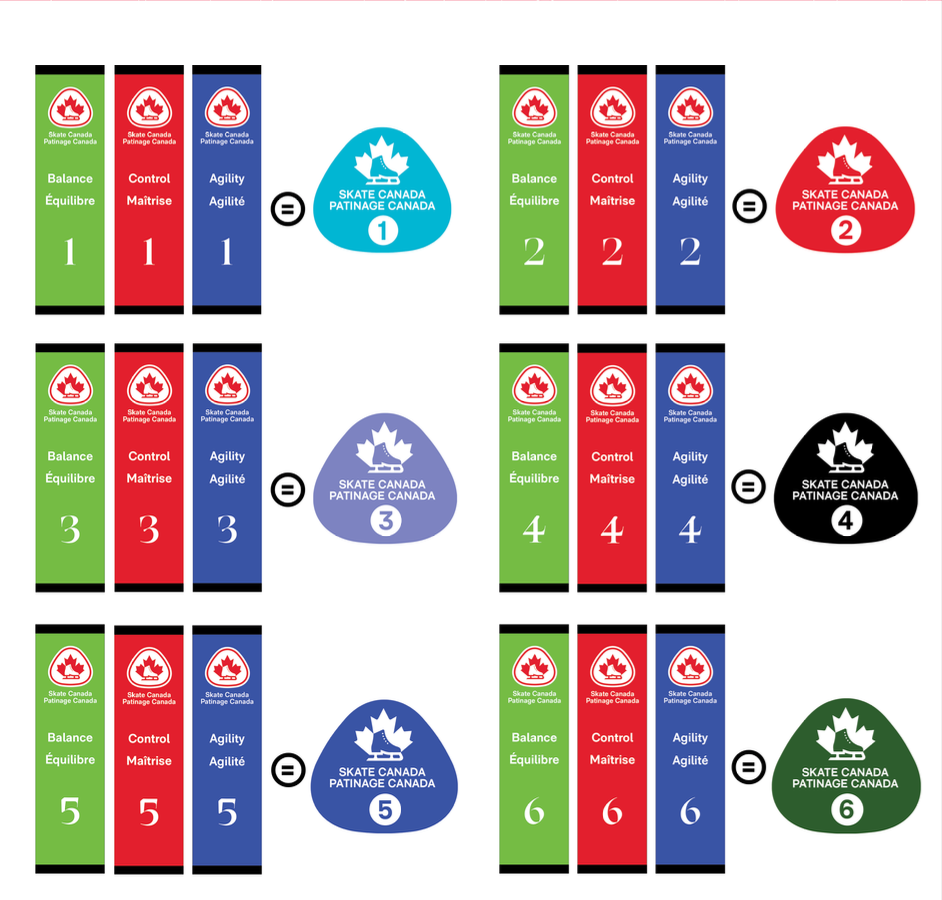
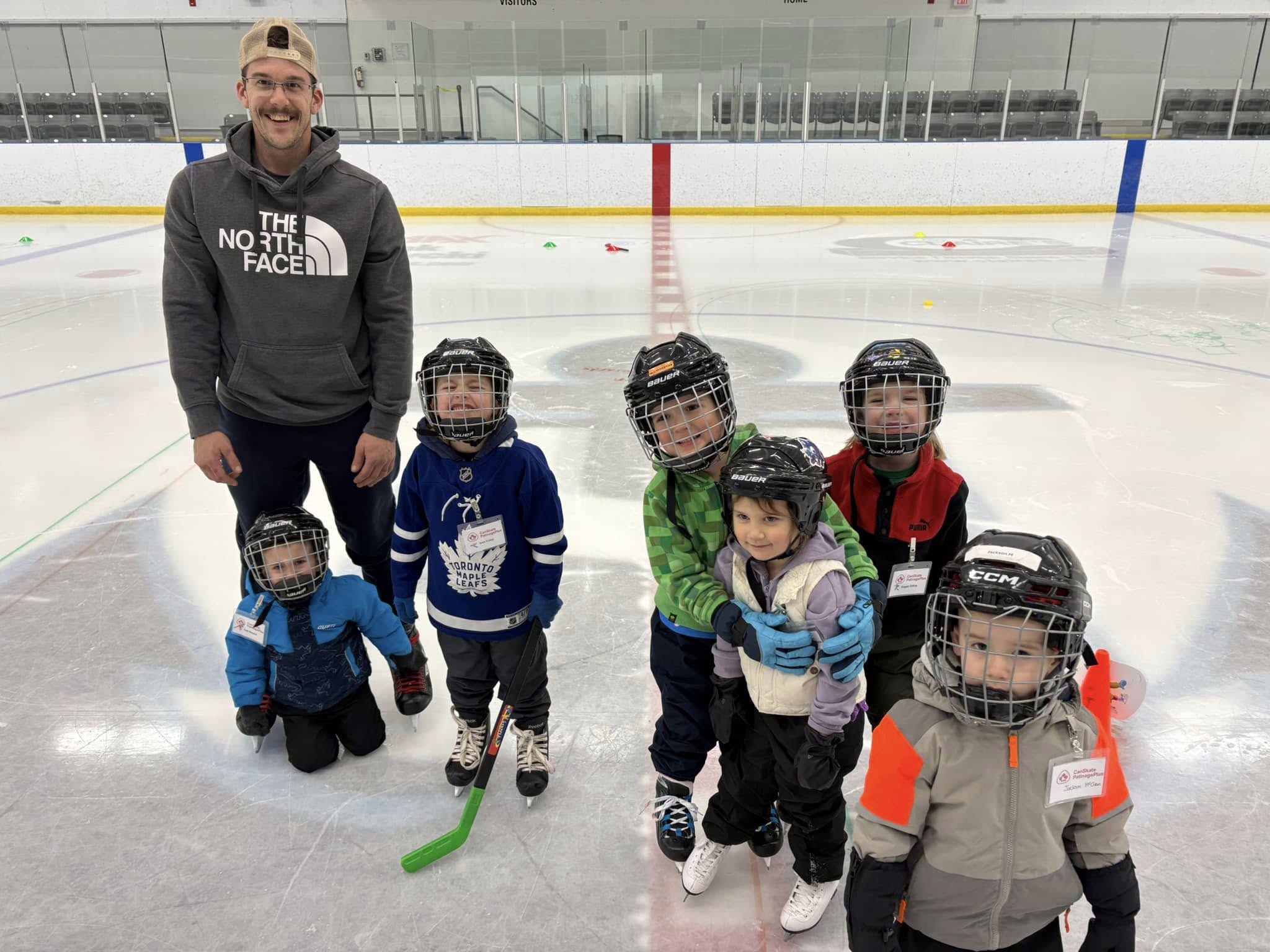
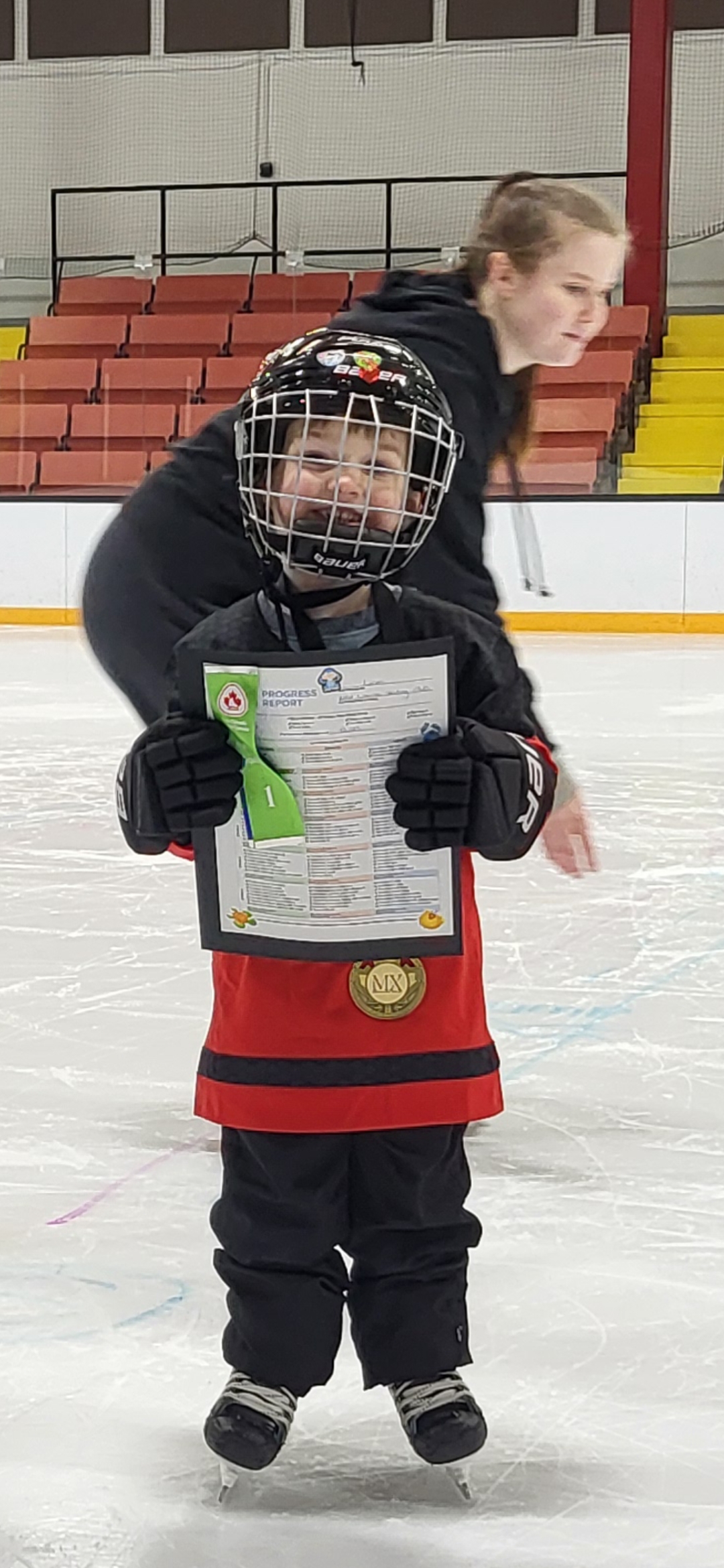
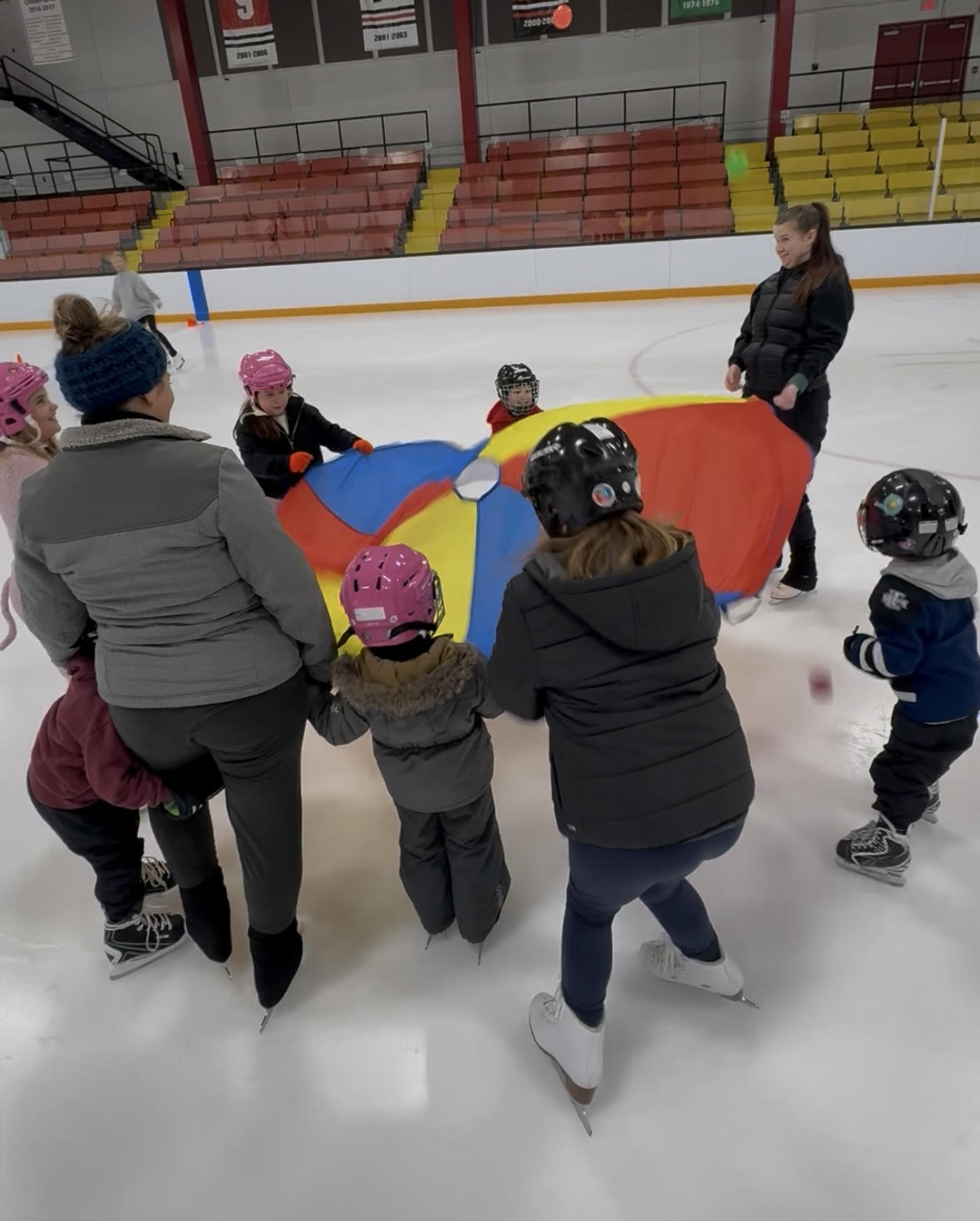
The CanSkate program consists of on-ice activities. Skaters are moving and learning using stations to practice skills; the use of teaching aids and music; the use of activities and games selected according to age groups; and the awarding CanSkate ribbons and badges as skills are mastered.
Assessment of skaters will be on an ongoing basis rather than having set assessment days. Skaters will progress at their own speed and for those who achieve their level badges will advance to the next level.
CSA approved hockey helmets with chin straps are mandatory for all skaters in stage 1-5. Face masks (cages) are recommended for younger skaters. Once a skater has passed stage 5 and is in stage 6, wearing a helmet is optional, however it is still highly recommended.
Parents of skaters 10 years and under MUST remain on the premises during their child’s entire session.
Helmet Policy
On July 1, 2011, Skate Canada implemented a Helmet Use policy. This policy was implemented as a proactive safety measure to help protect and prevent future injuries to members in the early stages of the CanSkate program who are learning how to skate. In the development of the policy, Skate Canada consulted various groups of individuals, including parents, and the policy was approved by the Skate Canada Board of Directors.
The helmet policy is not optional for clubs. Therefore, should a skater arrive at the rink and wish to go on the ice without a CSA-approved helmet, he/she must be refused entry onto the ice surface.
Skate Canada is proud of its CanSkate program, the best learn-to-skate program in Canada, and it will continue to develop policies and programming that create a better and safer learn-to-skate experience for skaters. If you would like more information on helmet use and injury prevention, we recommend you visit Think First.
How should the helmet fit?
A helmet should fit snugly to prevent any shifting and maximize protection. Make sure the chinstrap can be adjusted so it gently makes contact under the chin when fastened. For an adjustable helmet, open it to the largest setting and gradually begin to downsize the helmet until a comfortably snug fit is achieved. The helmet should rest on the head so that the rim is one finger width above the eyebrow and making contact with the top of your head. Although most helmets are lined with protective foam, some helmets will feel better than others. Try on different brands of helmets for fit and comfort. All CSA-certified helmets have a sticker indicating their certification.
Why only CSA-Certified helmets?
CSA-Certified helmets are designed to help protect against head injuries occurring on-ice, whether from a fall or a collision. A bicycle helmet, for example, is designed to protect against head injuries should a fall occur while riding a bicycle. It is important to ensure that when a skater is on the ice, they are protected with equipment designed for their sport or activity. Are face masks required as well? Face masks are not mandatory; however young skaters may benefit from the added protection.
Are used CSA-Certified helmets acceptable?
CSA-Certified helmets and face protectors sold in Canada must meet safety standards set by the Canadian Standards Association (CSA). If a CSA sticker is missing, throw the product away. CSA-Certified helmets normally last for about three to five years. CSA-Certified helmets must not be used if previously subjected to a major impact, if older than five years, if showing visible signs of damage, or if parts are missing. CSA-Certified helmets must have labeling with the date of manufacturing and must have a chin strap. It is important that the helmet fit properly in order to ensure proper protection.
How can I identify a helmet that is CSA-approved? Where will the logo appear on the helmet?
The CSA-approved logo will be found on the back of the helmet, affixed to the outer shell. For more information about CSA standards, visit www.csa-international.org.
Can a parent sign a waiver absolving the club from any liability and allow their child to participate without a helmet? No. The requirement to wear a helmet is a Skate Canada Policy, and all clubs and members must abide by it. Therefore, in order to participate in the CanSkate program, or who lack good balance and control, must wear a CSA-approved helmet while on the ice.